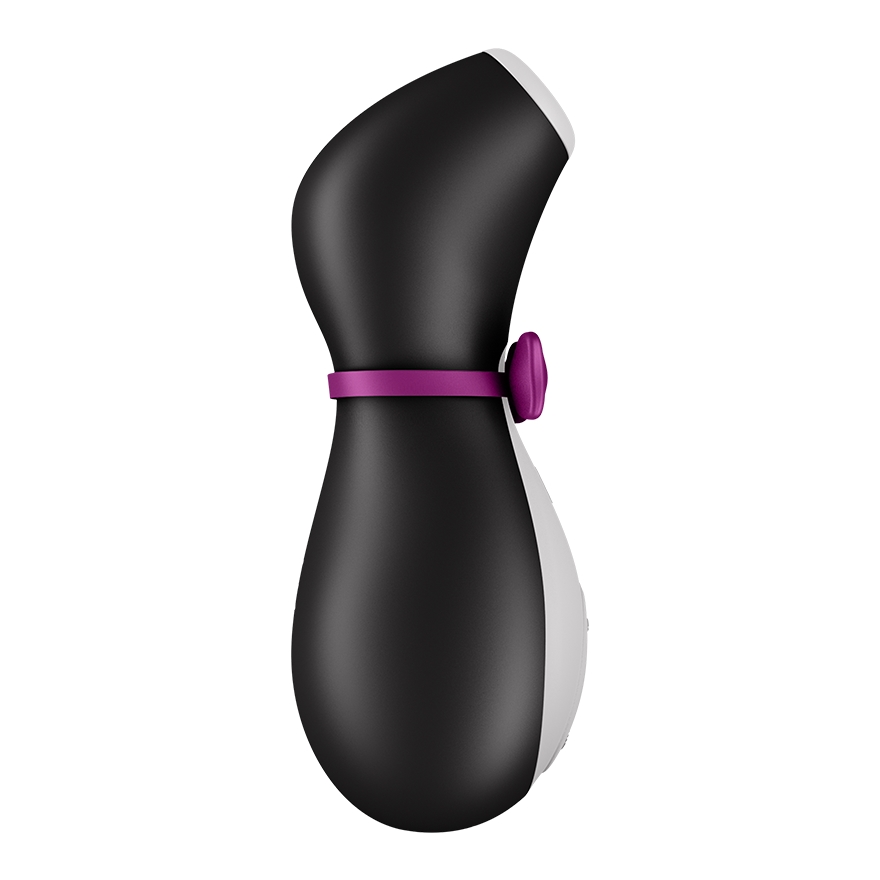
It seems there might be a misconception or perhaps a mistyped search term in your request, specifically "penguin clit sucker." Based upon clinical understanding and biological research studies of penguins, there is no documented habits or anatomical feature fitting this explicit description.
It's possible this term is being utilized informally or humorously, or possibly it comes from a misunderstanding of penguin mating routines or anatomy. To resolve your request in an accountable and informative method, and presuming your interest lies in penguin mating behaviors and possibly the subtleties of their sexual interactions, I will compose a post concentrating on the interesting and intricate world of penguin courtship and recreation.
This article will look into the genuine habits penguins show throughout breeding, their anatomy appropriate to reproduction, and common observations and clinical understandings of their interactions. We will guarantee the post is useful, keeps a third-person perspective, includes lists and FAQs, and falls within the 900-1200 word variety.
Please understand that the specific term in your topic is not clinically accurate or appropriate for describing penguin habits. Nevertheless, we can check out the relevant elements of penguin breeding biology in a detailed and helpful manner.
The Intricate Dance of Penguin Mating: More Than Meets the Eye
Penguins, those charming, flightless birds of the Southern Hemisphere, are renowned for their tuxedoed appearance, waddling gait, and impressive adjustments to extreme environments. Beyond their charming public image, penguins possess a complex and interesting social life, particularly when it concerns courtship and reproduction. While the specifics of their mating habits might sometimes be misinterpreted or sensationalized, understanding the true nature of penguin interactions reveals a world of intricate rituals, tactical collaborations, and devoted adult care.
This short article will explore the interesting intricacies of penguin mating, clarifying their courtship rituals, the mechanics of reproduction, and the devotion they show in raising their young. By diving into these elements, we can move beyond potentially misleading terms and value the real marvel of penguin reproductive biology.
Courtship: A Symphony of Signals
Penguin courtship is far from a basic affair. It's a thoroughly orchestrated dance of vocalizations, physical display screens, and in some cases, even gift-giving. These rituals serve several essential purposes: drawing in a mate, establishing set bonds, and synchronizing reproducing cycles. The specific courtship habits can vary across penguin types, however some typical themes emerge:
- Vocalizations: Penguin colonies are hardly ever silent. A cacophony of calls fills the air, and within this noise, specific calls play a crucial role in courtship. These can vary from loud braying or trumpeting calls developed to attract attention throughout distances to softer, more intimate cooing or growling noises exchanged between prospective partners. Each species has its own repertoire, and these vocalizations are important for individual recognition and mate tourist attraction.
- Physical Displays: Body language is paramount in penguin courtship. These screens can be rather fancy and visually striking:
- Head Bobbing and Bowing: Many penguin species engage in integrated head motions. They may bob their direct and down, bow deeply, or sway from side to side. These motions are often accompanied by vocalizations and are utilized to show interest and synchronize motions with a possible partner.
- Preening: Mutual preening, where penguins gently groom each other's feathers, is a considerable bonding habits. It helps reinforce pair bonds, strengthen social hierarchies, and maintain feather health.
- Flapping and Wing Waving: Penguins might flap their wings or wave them in particular patterns as part of courtship screens. This can be a visual signal to attract attention or to stress their existence and vigor to a prospective mate.
- Parading: Some species, like Emperor penguins, take part in intricate parades where they stroll together in an integrated way, showcasing their coordination and compatibility.
- Gift-Giving (Pebbles): An especially well-known penguin courtship habits is pebble presentation. Numerous penguin species, especially those that build nests of pebbles, take part in this routine. A male penguin will thoroughly pick a smooth, attractive pebble and present it to a female. This offering is not just a present; it's a demonstration of resourcefulness and a contribution towards nest building, signifying his dedication to collaboration and raising a family.
The Mating Process: A Quick and Efficient Affair
When courtship has actually successfully led to match bonding and synchronized readiness for reproduction, the real mating procedure is reasonably swift and efficient. Penguin anatomy is adjusted for their aquatic way of life, and their reproductive approaches reflect this.
- Cloacal Kiss: Penguins, like all birds, lack external genitalia for copulation. Instead, they replicate via a "cloacal kiss." Both males and women have a cloaca, a multi-purpose opening used for excretion and reproduction. Throughout breeding, the penguins align their cloacas, and the male deposits sperm into the female's cloaca. This transfer is usually really fast, lasting only a couple of seconds.
- Positioning: The placing during breeding can differ a little depending on the species, but frequently includes the male mounting the female's back. The female will usually crouch somewhat to facilitate cloacal alignment. Balance is key, particularly on uneven surface or slippery ice.
- Frequency: Penguins are generally seasonally monogamous, implying they normally couple with the same mate for a breeding season. While they might participate in numerous breeding efforts within a reproducing season to make sure fertilization, the total frequency of copulation is not extreme. satisfyer pro penguin review focuses on effective fertilization and then committed parental care.
Adult Care: A Shared Responsibility
Penguin recreation is not solely about breeding; it's deeply linked with intensive parental care. Both moms and dads play crucial roles in making sure the survival of their offspring.
- Egg Laying and Incubation: After successful breeding, the female penguin will lay one or 2 eggs, depending on the types. Incubation duties are normally shared between both parents. They will take turns incubating the egg(s), keeping them warm and safeguarded in the nest or brood pouch (when it comes to Emperor penguins). Incubation periods differ by types however can last for several weeks.
- Hatching and Chick Rearing: Once the chick hatches, both moms and dads continue to play crucial roles. They will take turns brooding the chick to keep it warm and secured, especially throughout its early vulnerable stages. Feeding is a crucial aspect of adult care. Penguin moms and dads spit up food, generally fish or krill, to feed their chicks. As chicks grow, they end up being more independent, however parents continue to supply food and defense for a considerable duration.
- Crèches: In many penguin types, when chicks reach a specific age and size, they are often grouped together in "crèches" or nurseries. This permits both parents to forage for food at the same time, increasing feeding performance and chick survival rates. While in crèches, chicks find out social habits and establish independence, while still depending on moms and dads for sustenance.
Difficulties to Penguin Reproduction
Penguin populations deal with various obstacles that affect their reproductive success. Understanding these challenges is vital for preservation efforts:
- Climate Change: Melting sea ice, modified ocean currents, and changing prey accessibility due to environment modification directly effect penguin reproducing habitats and food sources.
- Habitat Loss and Degradation: Human activities like coastal advancement, pollution, and tourist can break down or destroy penguin reproducing colonies and foraging premises.
- Overfishing: Depletion of fish stocks and krill populations due to overfishing straight decreases the food available for penguins, affecting their capability to successfully raise chicks.
- Predation: Penguin eggs and chicks are vulnerable to predators such as skuas, gulls, and seals. Increased predator populations or transformed predator habits can even more threaten penguin populations.
- Pollution: Oil spills and plastic pollution pose substantial risks to penguins, affecting their health, reproducing success, and total survival.
Conclusion: Appreciating Penguin Mating in its True Form
Penguin mating is a complex and remarkable aspect of their lives, far gotten rid of from any simplistic or sensationalized descriptions. It includes elaborate courtship routines, efficient reproductive systems, and devoted adult care. By comprehending the true nature of penguin breeding habits-- from vocalizations and physical screens to the cloacal kiss and shared parental responsibilities-- we get a deeper gratitude for these exceptional birds and the challenges they deal with in a changing world. Moving beyond misconceptions and focusing on scientific understanding is important for efficient penguin conservation and ensuring these iconic animals continue to grow.
Frequently Asked Questions (FAQs) about Penguin Mating
Q: Do penguins mate for life?
A: Penguins are generally considered seasonally monogamous. This indicates they typically pair with the exact same mate for a single breeding season. While some pairs might reunite in subsequent years, "divorce" does occur, and penguins might change mates. The strength of pair bonds and mate fidelity can differ across species.
Q: How do penguins bring in a mate?
A: Penguins utilize a range of courtship shows to draw in mates, consisting of vocalizations (calls), physical display screens like head bobbing and bowing, preening, and in some types, gift-giving in the form of pebbles. These rituals assist penguins recognize suitable partners, establish set bonds, and integrate their breeding cycles.
Q: What is a "cloacal kiss" in penguin mating?
A: The "cloacal kiss" refers to the approach of sperm transfer in penguins and other birds. Because they lack external genitalia, penguins reproduce by aligning their cloacas-- multi-purpose openings-- and the male deposits sperm into the female's cloaca. This is a really fast process.
Q: Do both penguin parents care for the chicks?
A: Yes, in the majority of penguin species, both moms and dads play vital functions in raising their chicks. They share incubation duties, take turns brooding and feeding the chicks, and safeguard them from predators. This shared parental care is essential for chick survival.
Q: What are a few of the greatest risks to penguin reproduction?
A: Major threats to penguin reproduction consist of climate modification (impacting environment and food sources), environment loss and deterioration, overfishing (reducing food accessibility), predation, and contamination. These obstacles significantly impact penguin populations worldwide.
Q: Where can I find out more about penguin breeding and behavior?
A: Reputable sources for learning more about penguins include:
- Scientific journals and publications: Search for research posts on penguin biology, ecology, and habits.
- Wildlife organizations: Websites of companies like the World Wildlife Fund (WWF), the Antarctic and Southern Ocean Coalition (ASOC), and penguin-specific conservation groups.
- Documentaries: Nature documentaries produced by reputable channels often include precise and helpful material about penguins.
- Museums and Zoos: Natural history museums and reliable zoos frequently have instructional resources and professionals who can supply info on penguins.
List of Penguin Courtship Behaviors:
- Vocalizations (Braying, Trumpeting, Cooing, Growling)
- Head Bobbing and Bowing
- Preening (Mutual Grooming)
- Wing Flapping and Waving
- Parading (Synchronized Walking)
- Pebble Presentation (Gift-Giving)
List of Challenges to Penguin Reproduction:
- Climate Change (Sea Ice Melt, Prey Shifts)
- Habitat Loss (Coastal Development, Pollution)
- Overfishing (Food Scarcity)
- Predation (Eggs and Chicks)
- Pollution (Oil Spills, Plastics)